Spain

Safety Rating: ★ ★ ★ ★ ★
Venues 45
Cities 13
Reviews 0

Venues in Spain

Addicted Alicante

Addicted Alicante

Shops
Alicante, Reyes Católicos 20
Addicted BCN New Experience

Addicted BCN New Experience

Shops
Barcelona, Consell de Cent 218
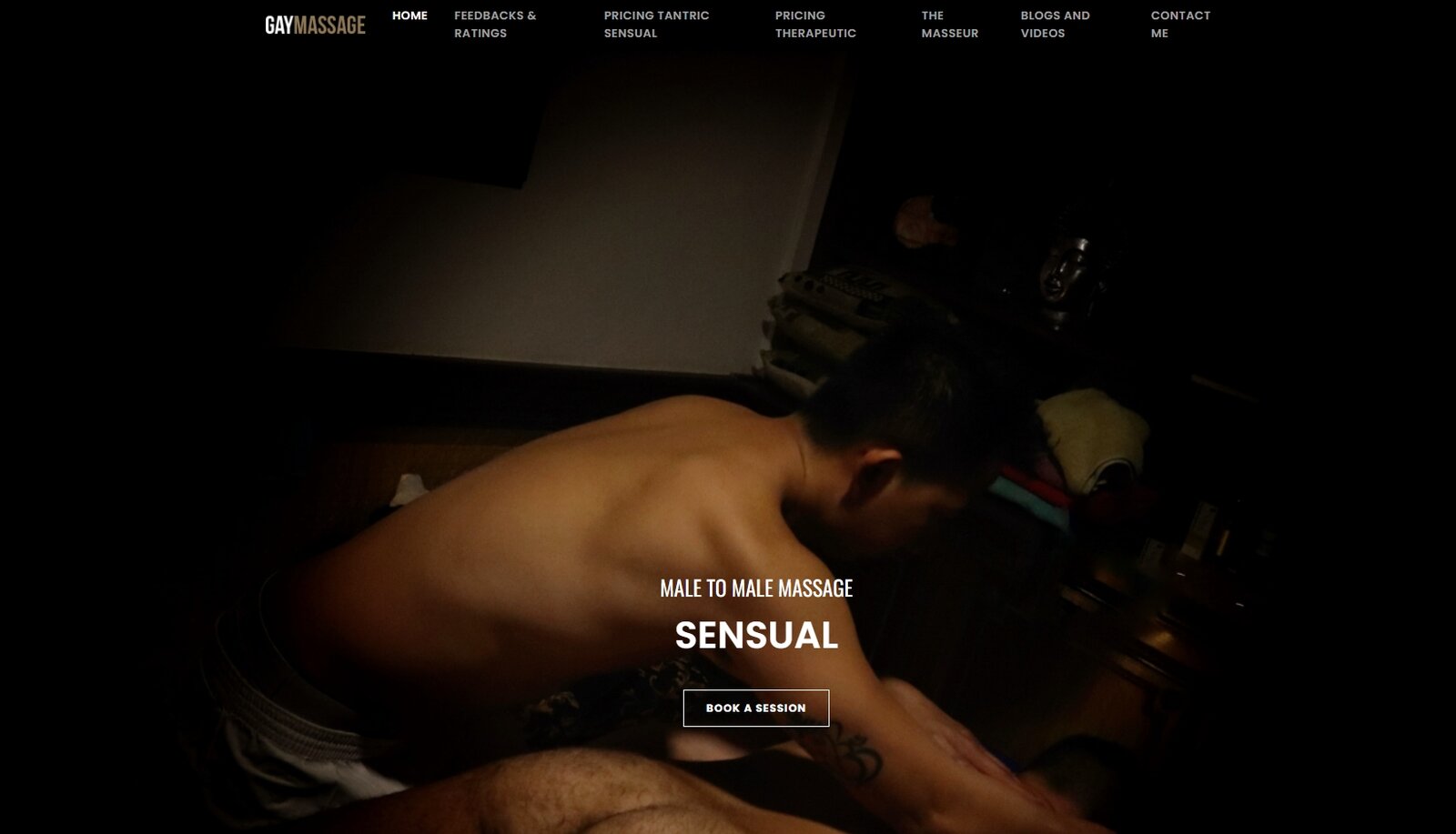
Adicted Gay Massage

Adicted Gay Massage

Activities
Barcelona, Muntaner 87
Axel Hotel Barcelona

Axel Hotel Barcelona

Hotels
Barcelona, Aribau 33
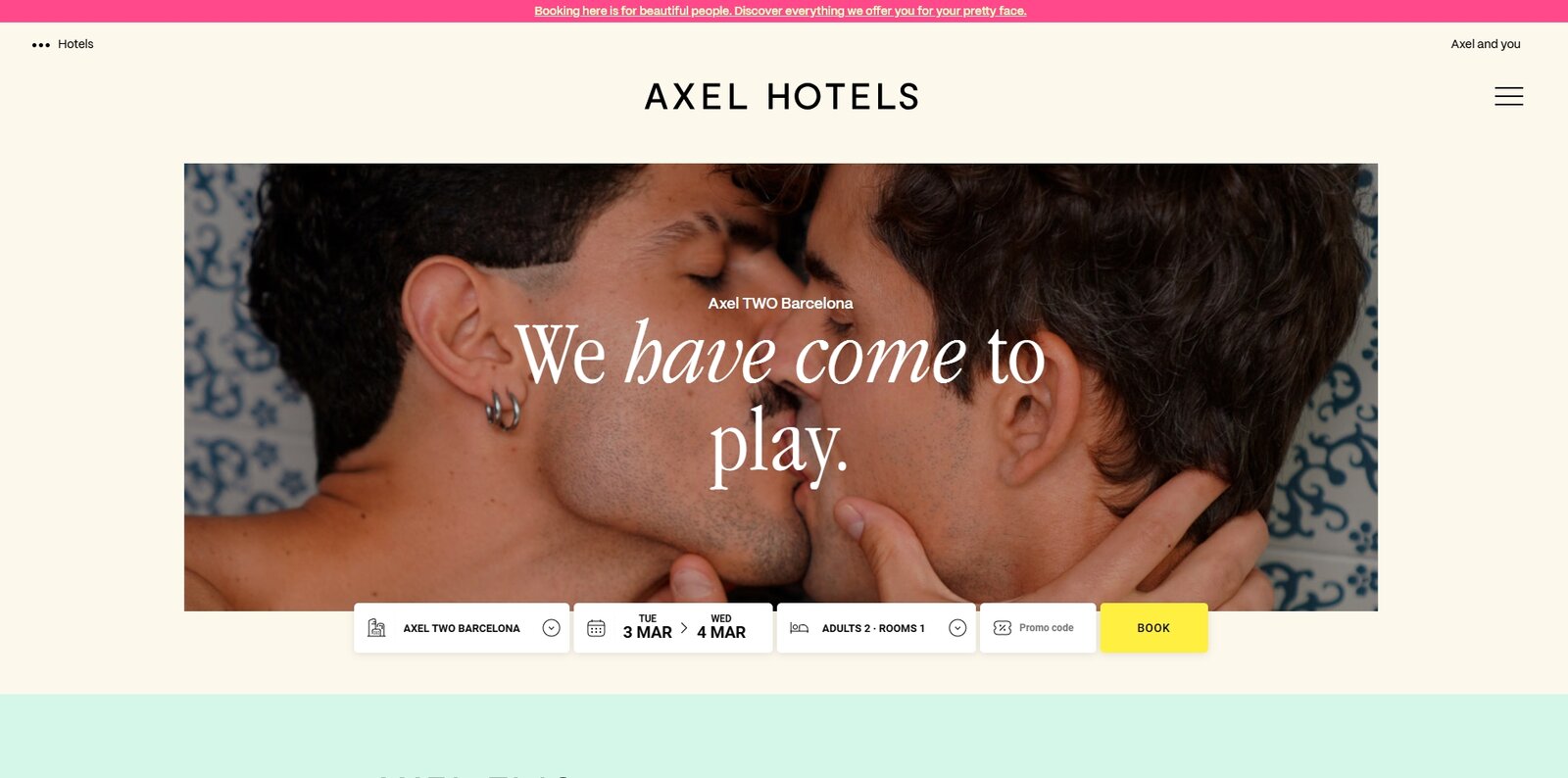
Axel Two Barcelona

Axel Two Barcelona

Hotels
Barcelona, Calàbria 90-92
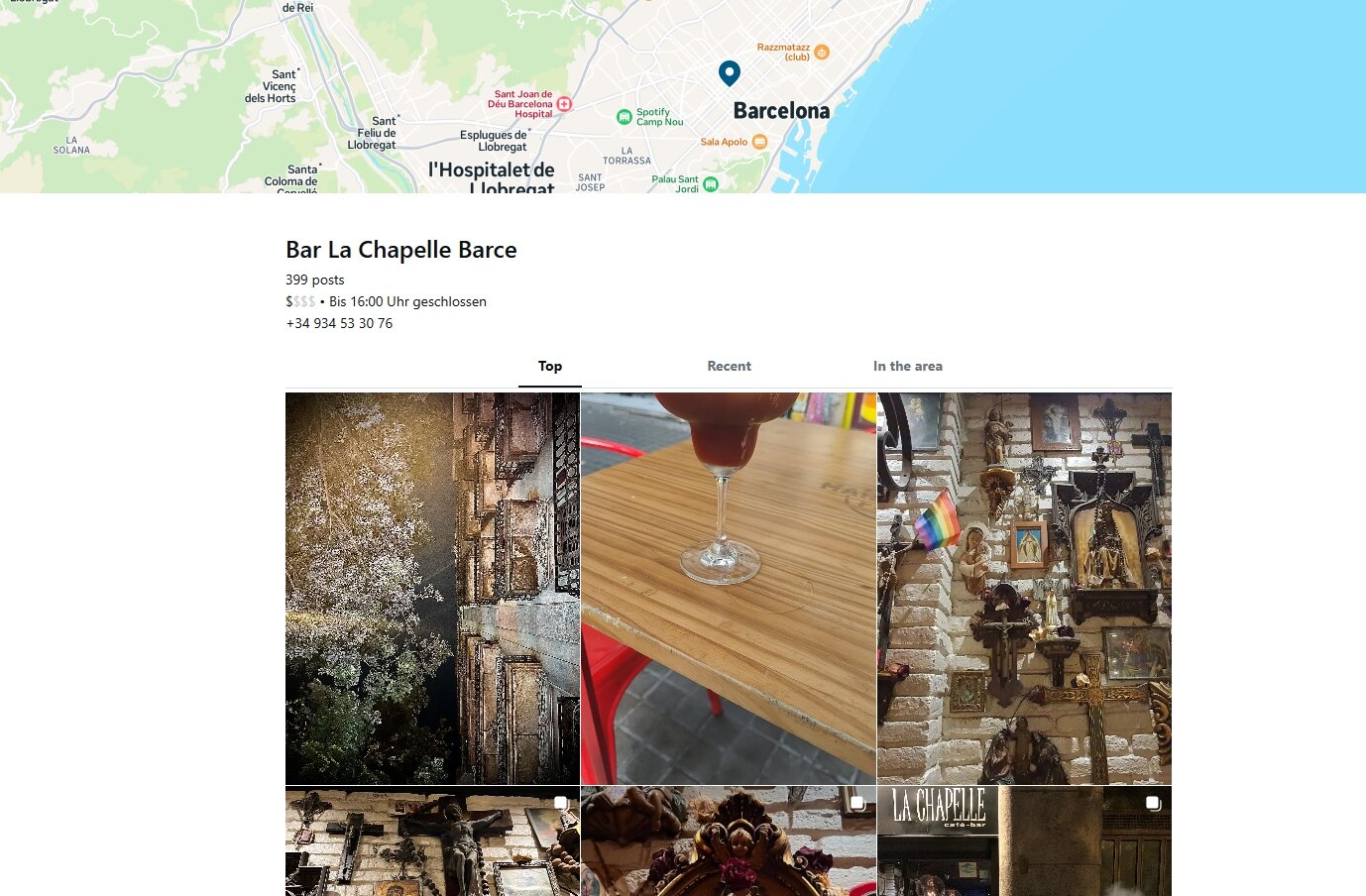
Bacon Bear Bar

Bacon Bear Bar

Bars
Barcelona, Carrer de Casanova 64
Barcelona Special Gay Massage

Barcelona Special Gay Massage

Activities
Barcelona, Gran Via de les Corts Catalanes 488
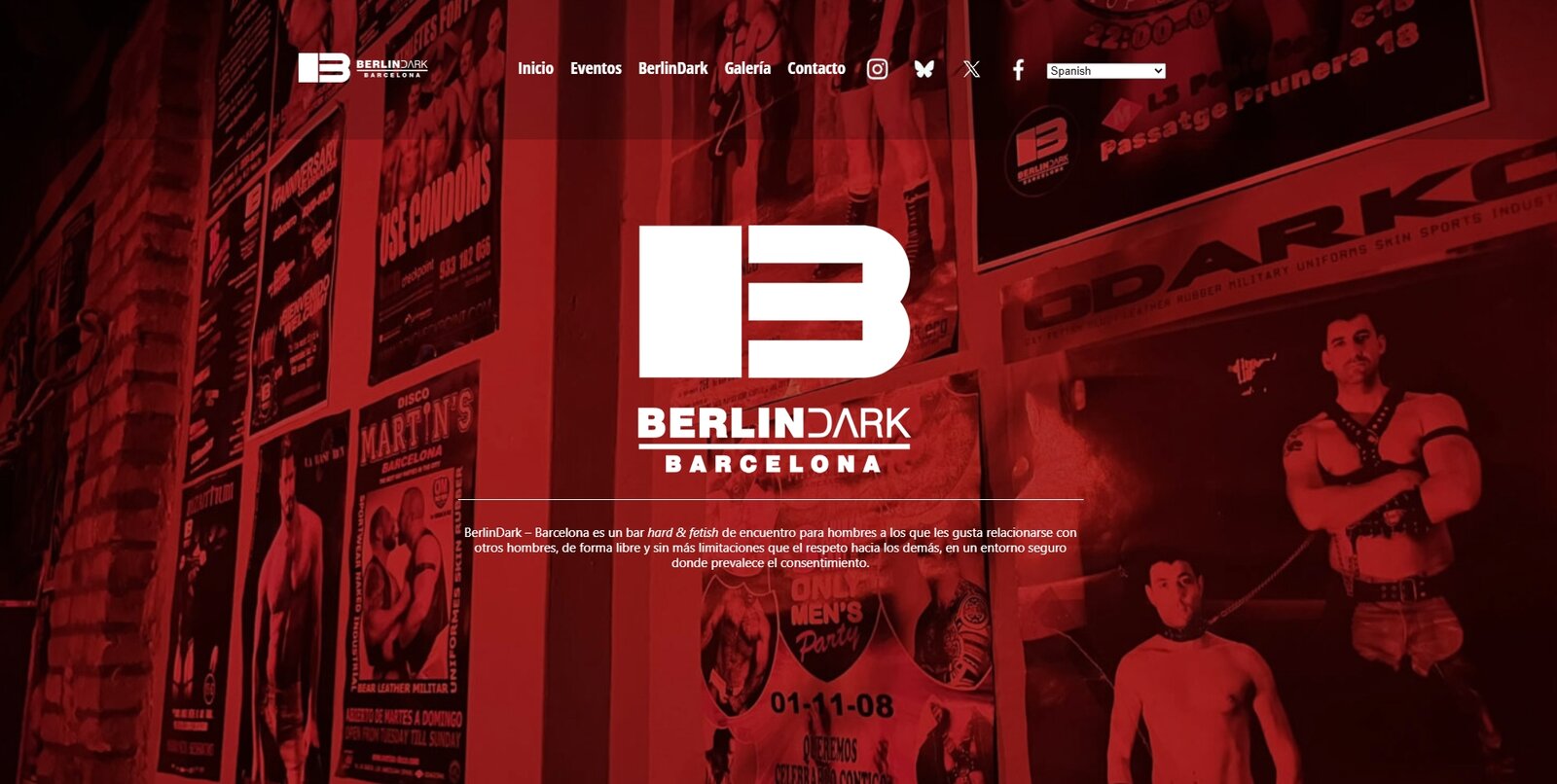
Berlin Dark

Berlin Dark

Darkrooms
Barcelona, Passatge de Prunera 18
Boxer Barcelona

Boxer Barcelona

Shops
Barcelona, Carrer de la Diputació 182
Boxer Café Bar

Boxer Café Bar

Bars
Barcelona, Carrer de la Diputació 167–169
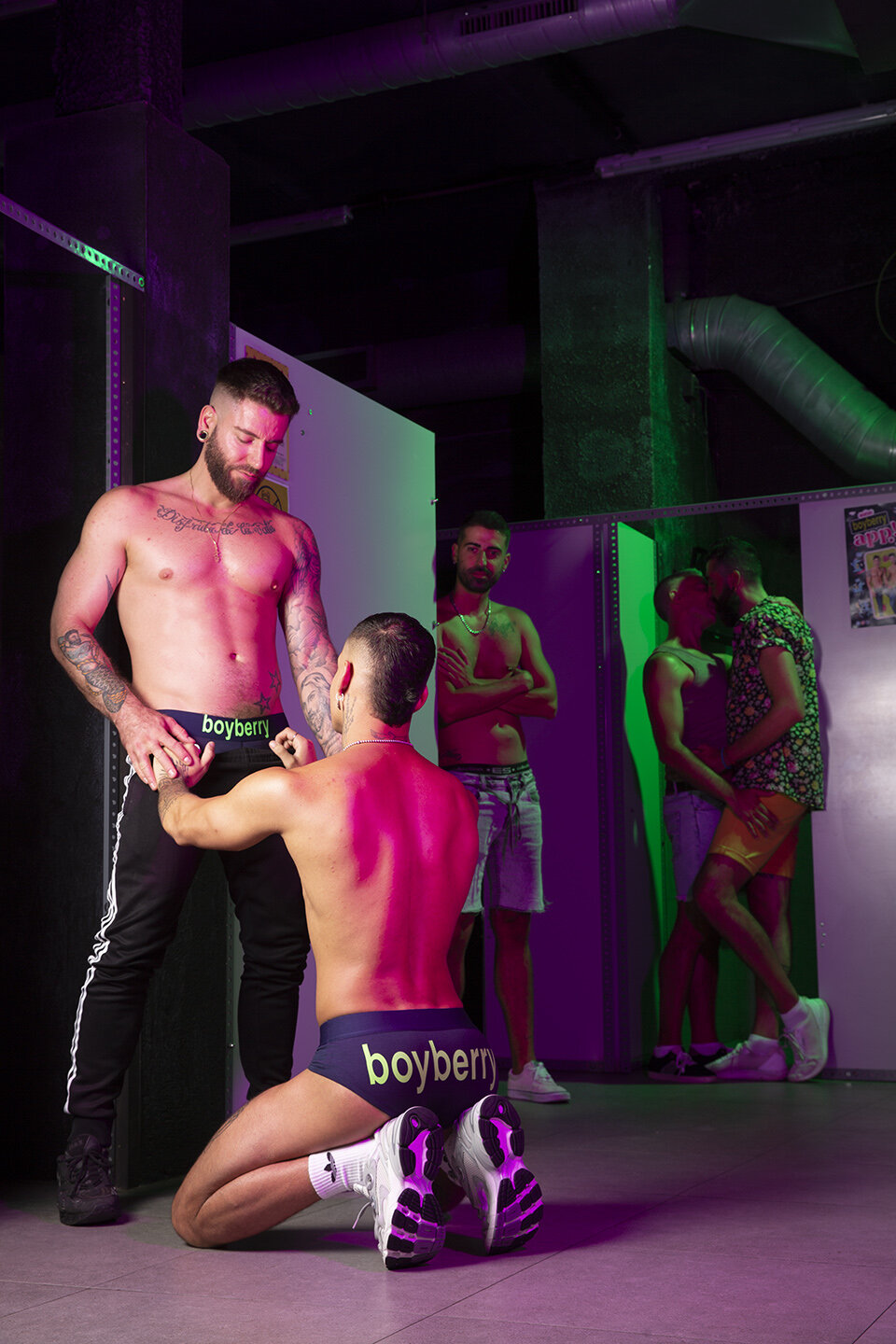
Boyberry Barcelona

Boyberry Barcelona

Darkrooms
Barcelona, Carrer de Calàbria 96
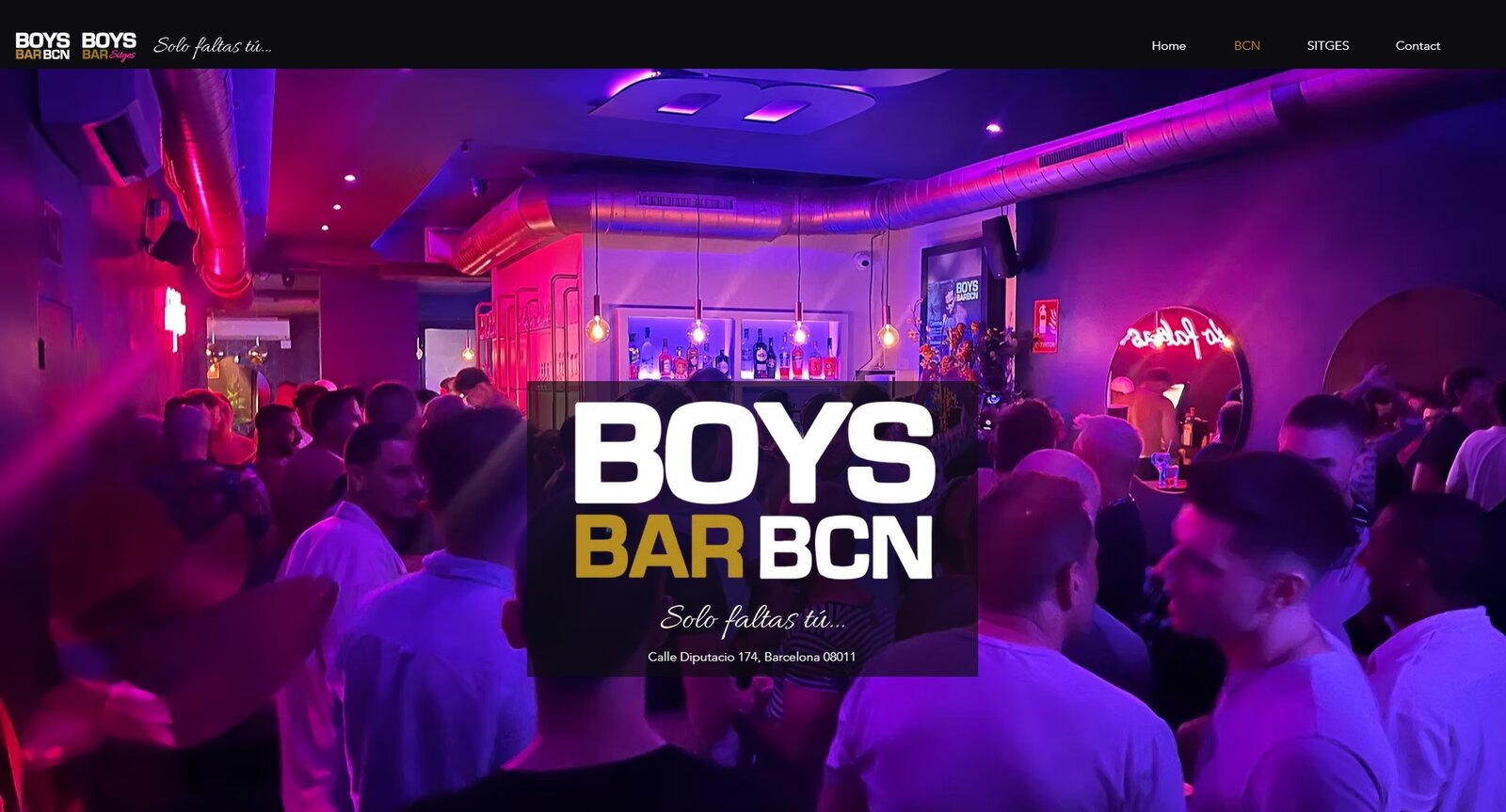
Boys Bar Barcelona

Boys Bar Barcelona

Bars
Barcelona, Carrer de la Diputació 174
Candy Darling

Candy Darling

Bars
Barcelona, Gran Via de les Corts Catalanes 586
D'Men's Gay Bar

D'Men's Gay Bar

Bars
Barcelona, Carrer del Consell de Cent 257
GinGin Gay Bar

GinGin Gay Bar

Bars
Barcelona, Carrer d'Aribau 40
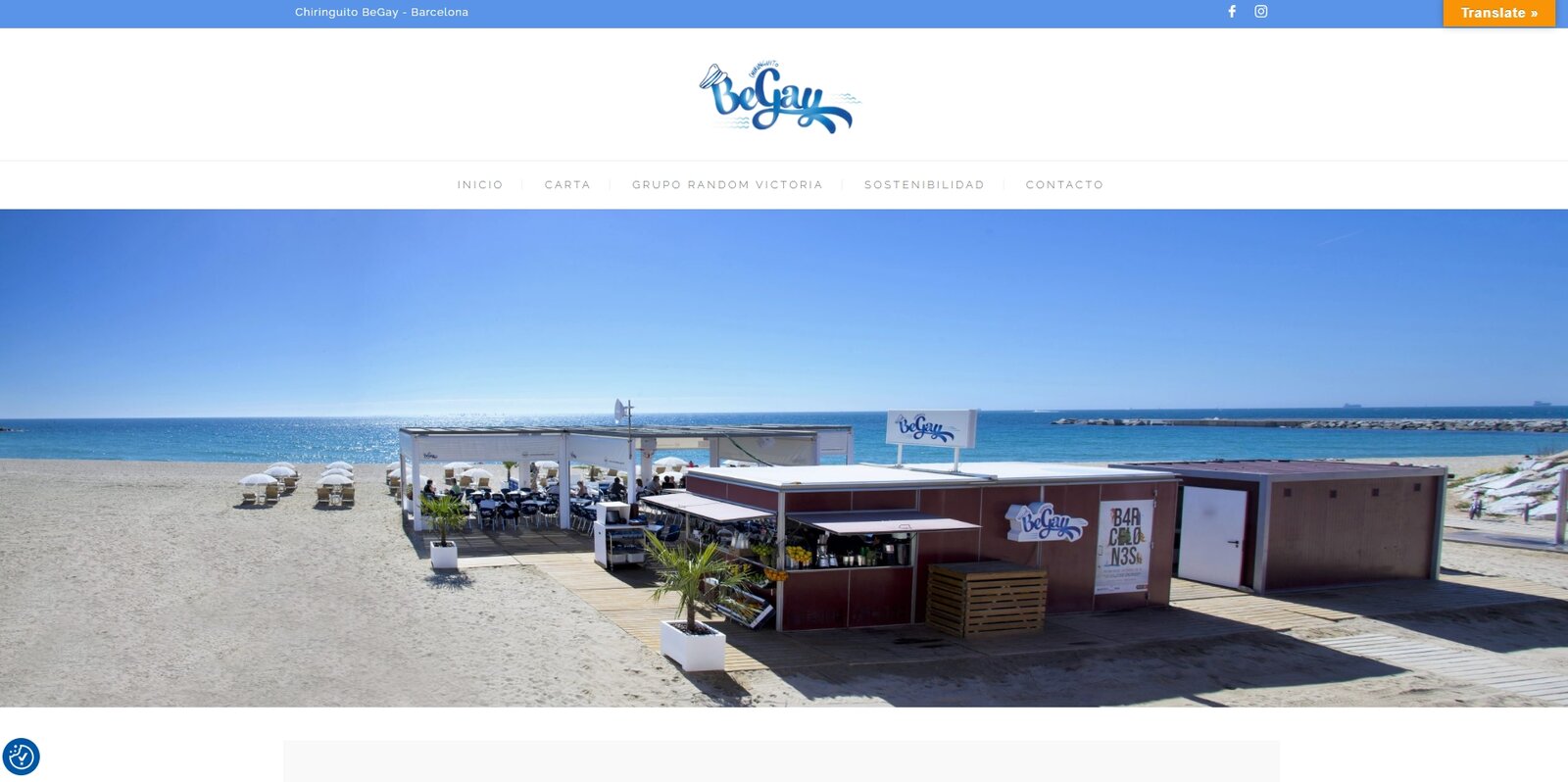
Guingueta BeGay

Guingueta BeGay

Bars
Barcelona, Passeig Marítim de La Mar Bella
Honey Furry Bar

Honey Furry Bar

Bars
Barcelona, Carrer de Muntaner 73
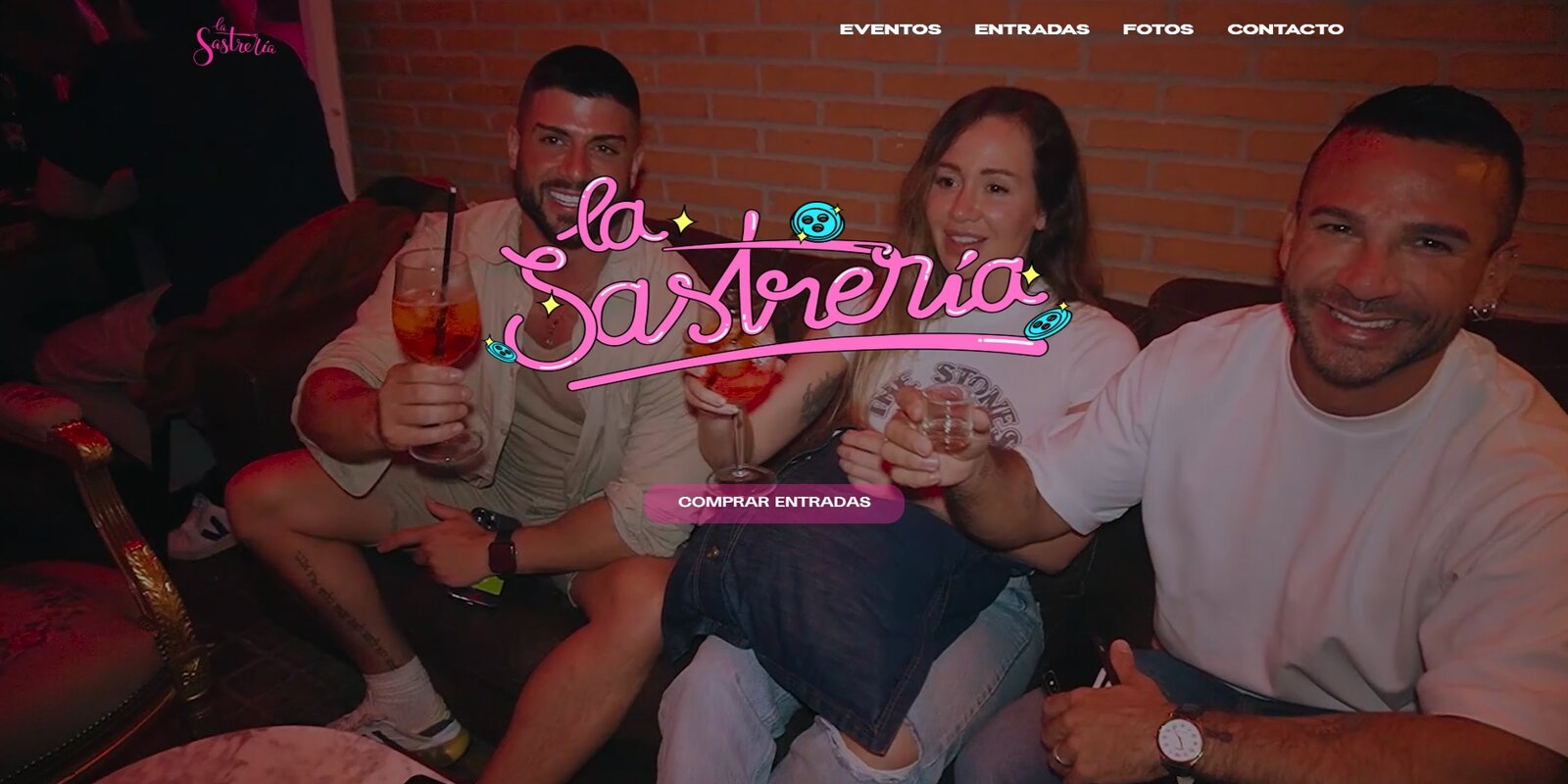
La Sastrería Café

La Sastrería Café

Bars
Barcelona, Carrer del Consell de Cent 245
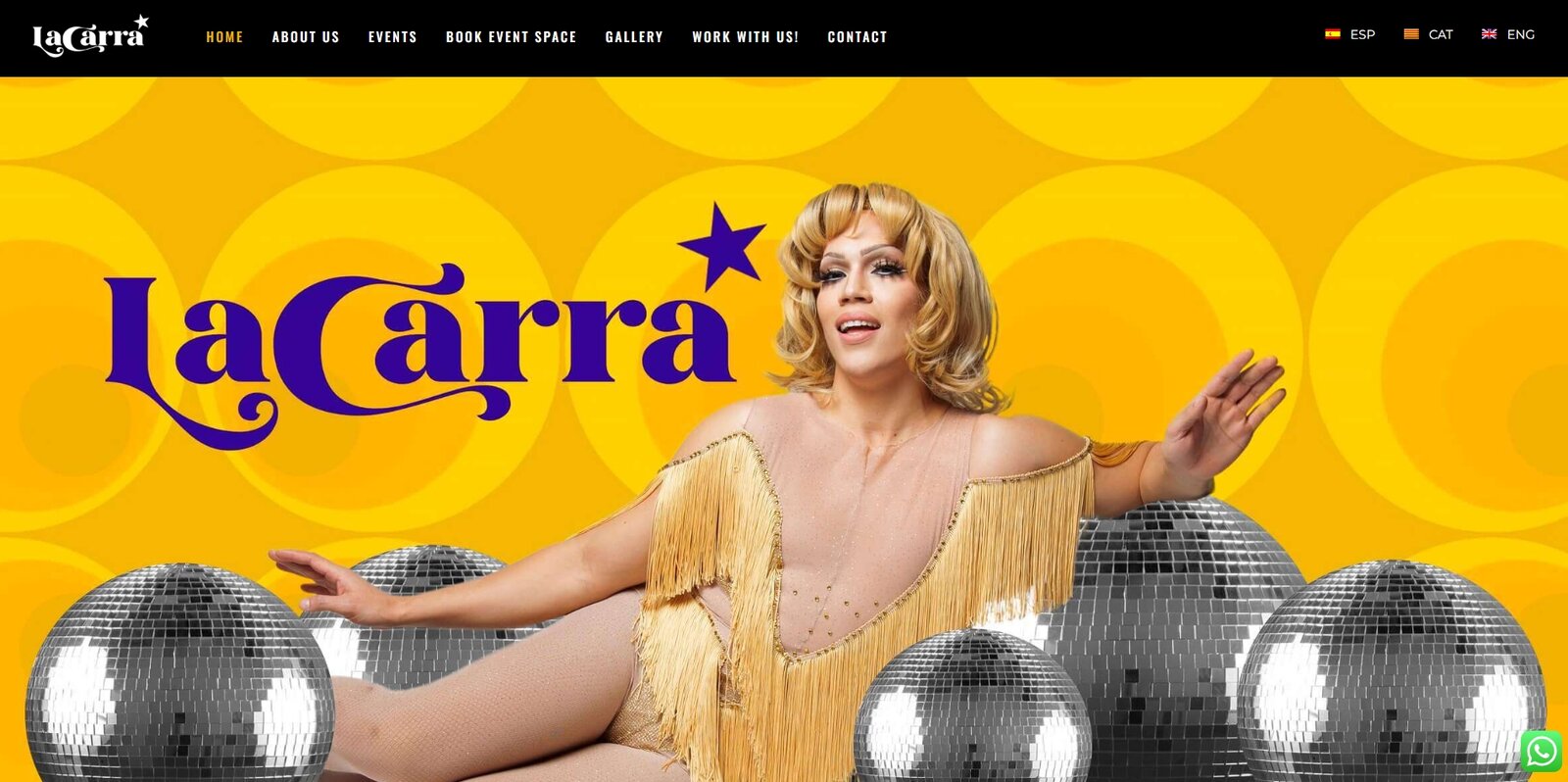
LaCarrà

LaCarrà

Bars
Barcelona, Carrer de Muntaner 34
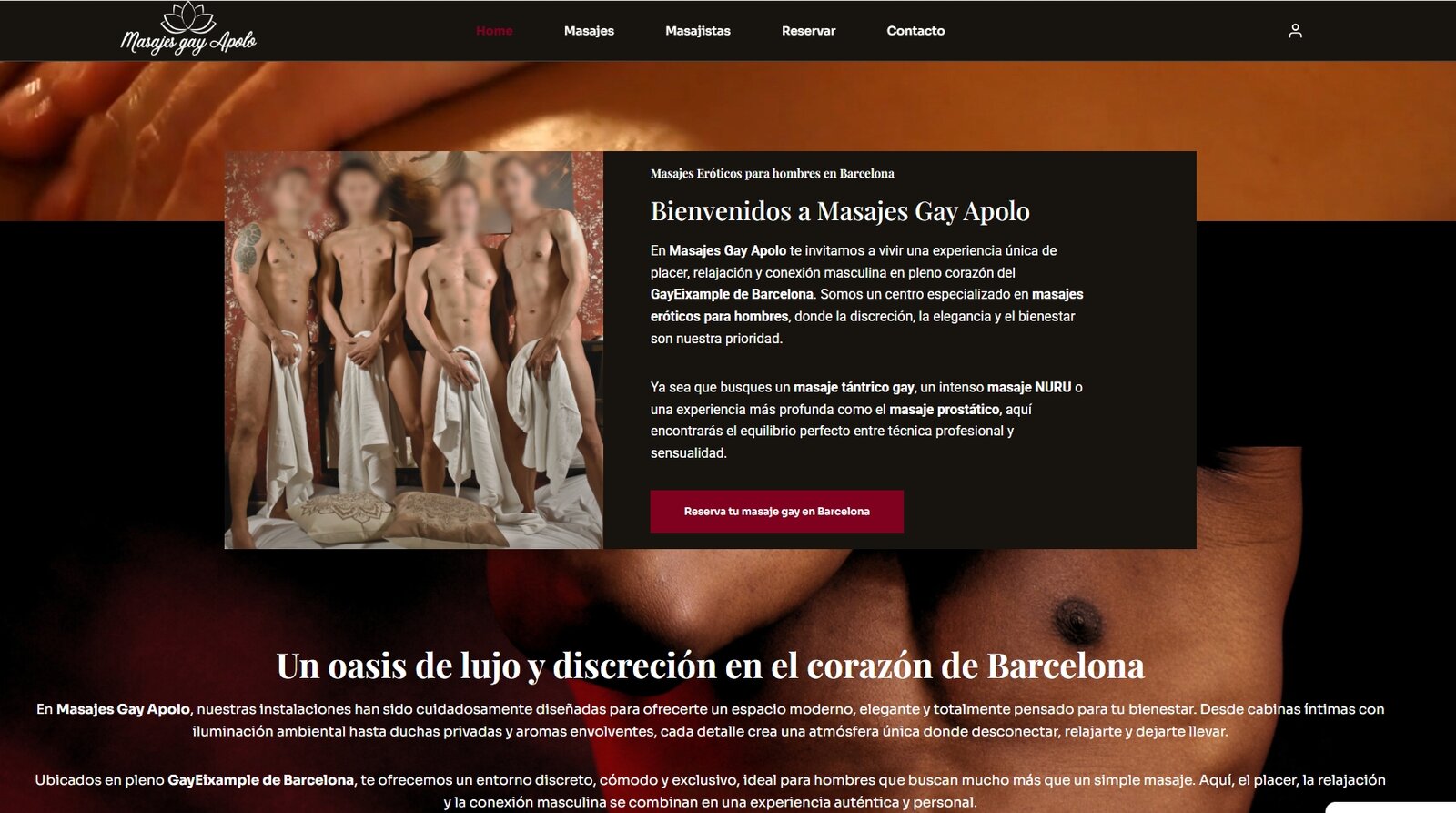
Masajes Gay Apolo

Masajes Gay Apolo

Activities
Barcelona, Muntaner 87-89
Men Massage Barcelona

Men Massage Barcelona

Activities
Barcelona,
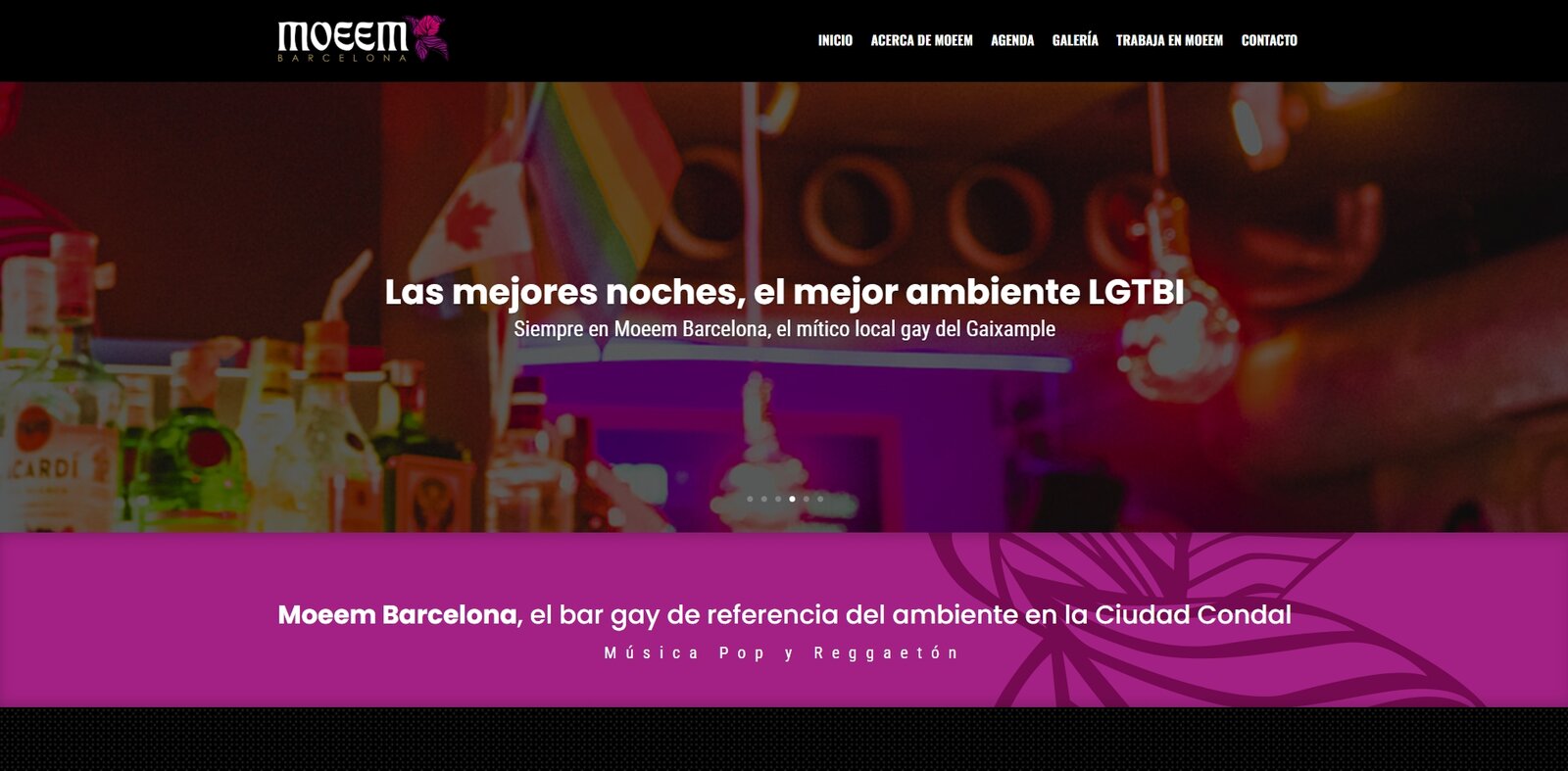
Moeem Barcelona

Moeem Barcelona

Bars
Barcelona, Carrer de Muntaner 11
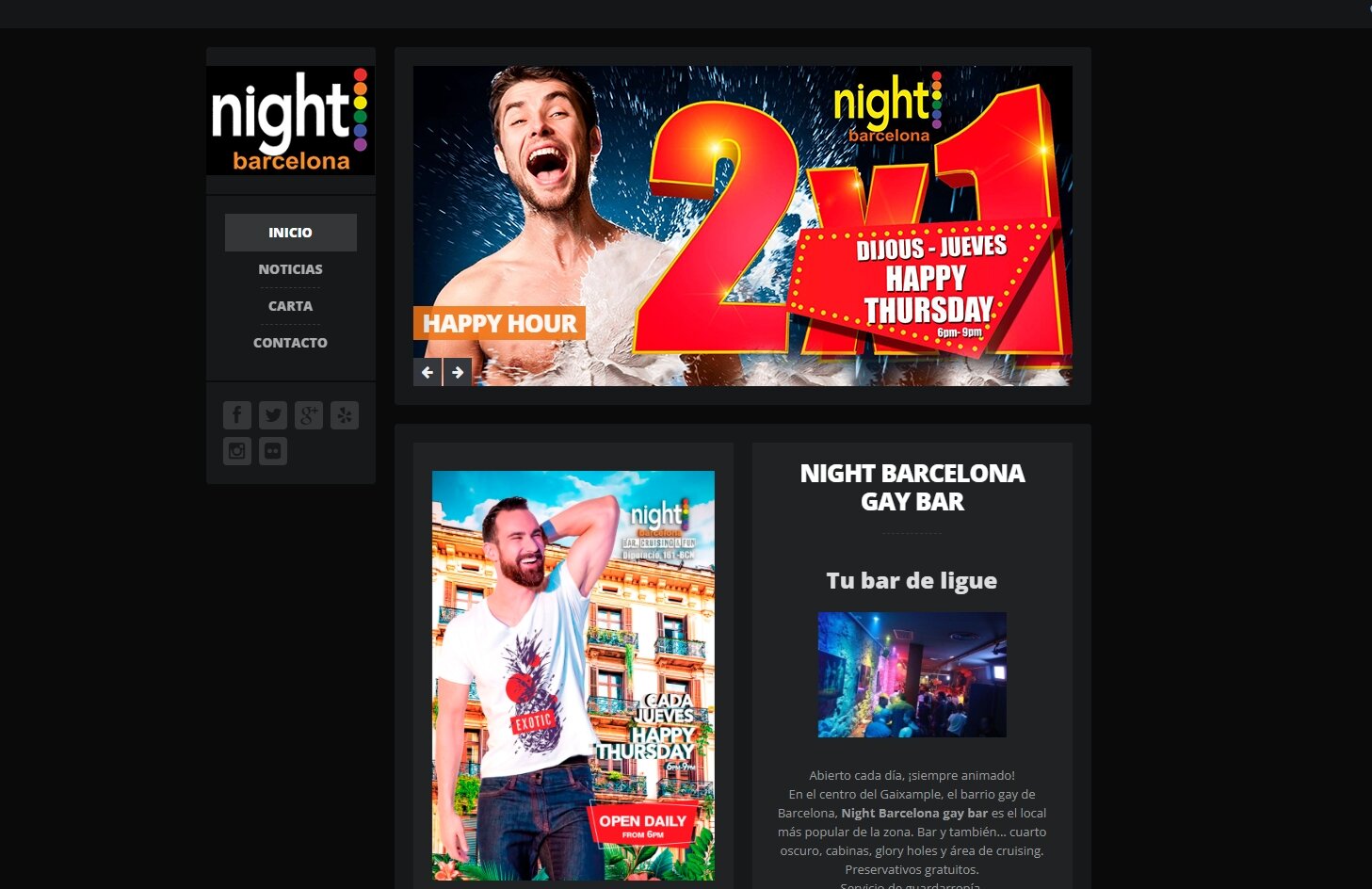
Night Barcelona

Night Barcelona

Bars
Barcelona, Carrer de la Diputació 161
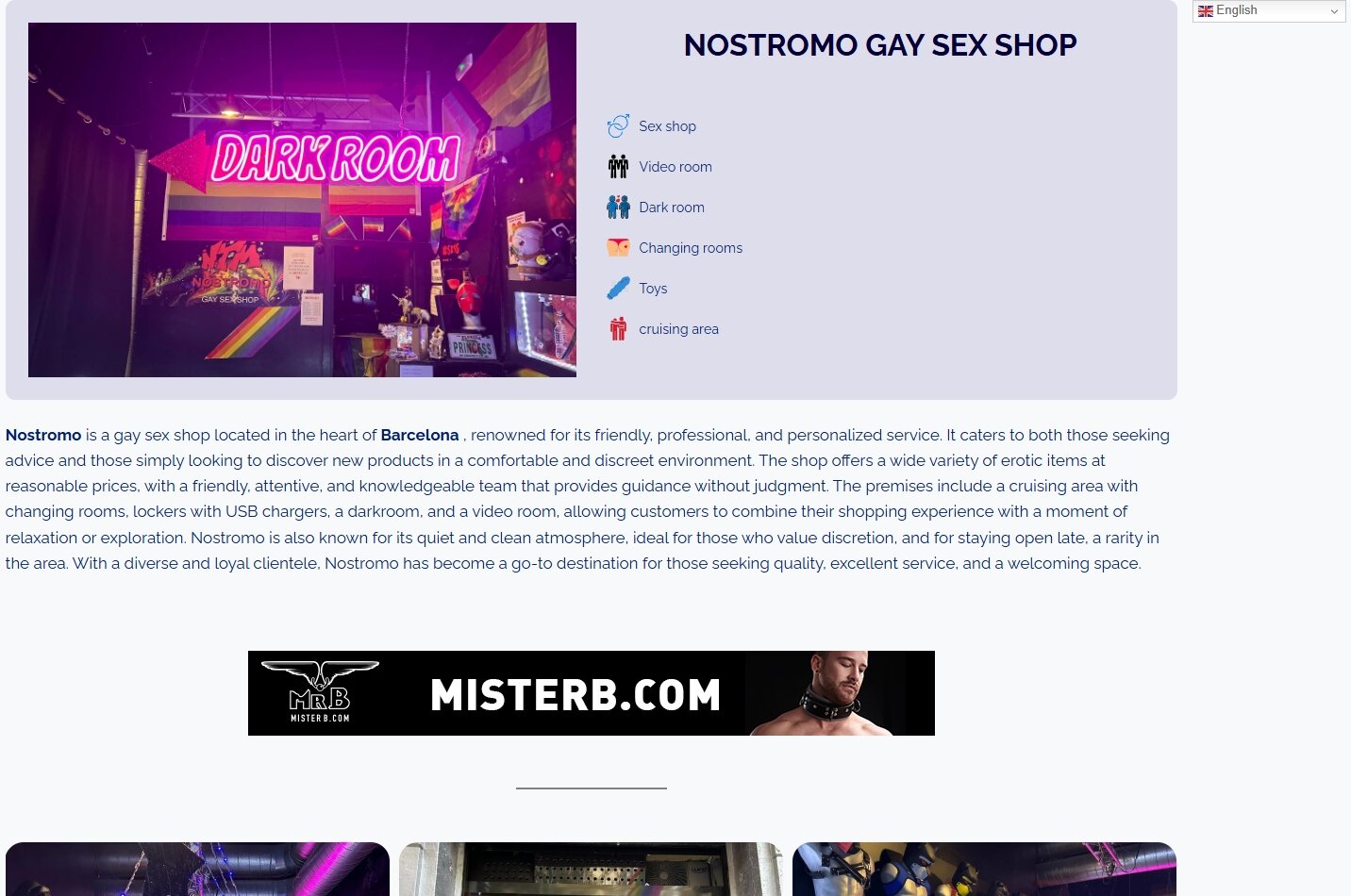
Nostromo Gay Shop

Nostromo Gay Shop

Shops
Barcelona, Carrer de la Diputació 208
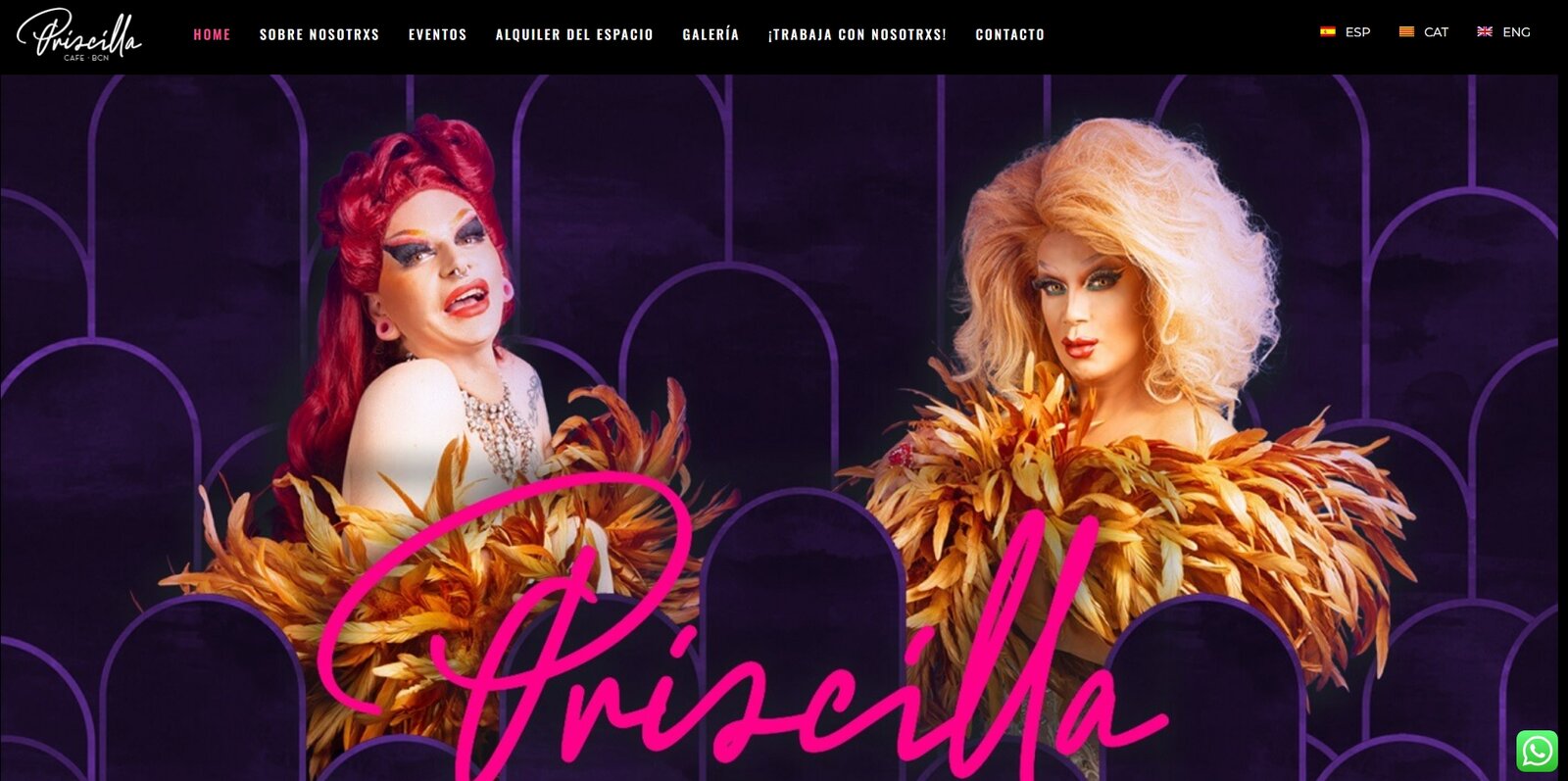
Priscilla Café

Priscilla Café

Bars
Barcelona, Consell de Cent 273
Safari Disco Club

Safari Disco Club

Clubs
Barcelona, Carrer de Tarragona 141
Zeus Sex Shop

Zeus Sex Shop

Shops
Barcelona, Carrer de la Riera Alta 20
Believe Club

Believe Club

Clubs
Believe Club, Carrer de Balmes 56 L'Eixample 08011 Barcelona Spain
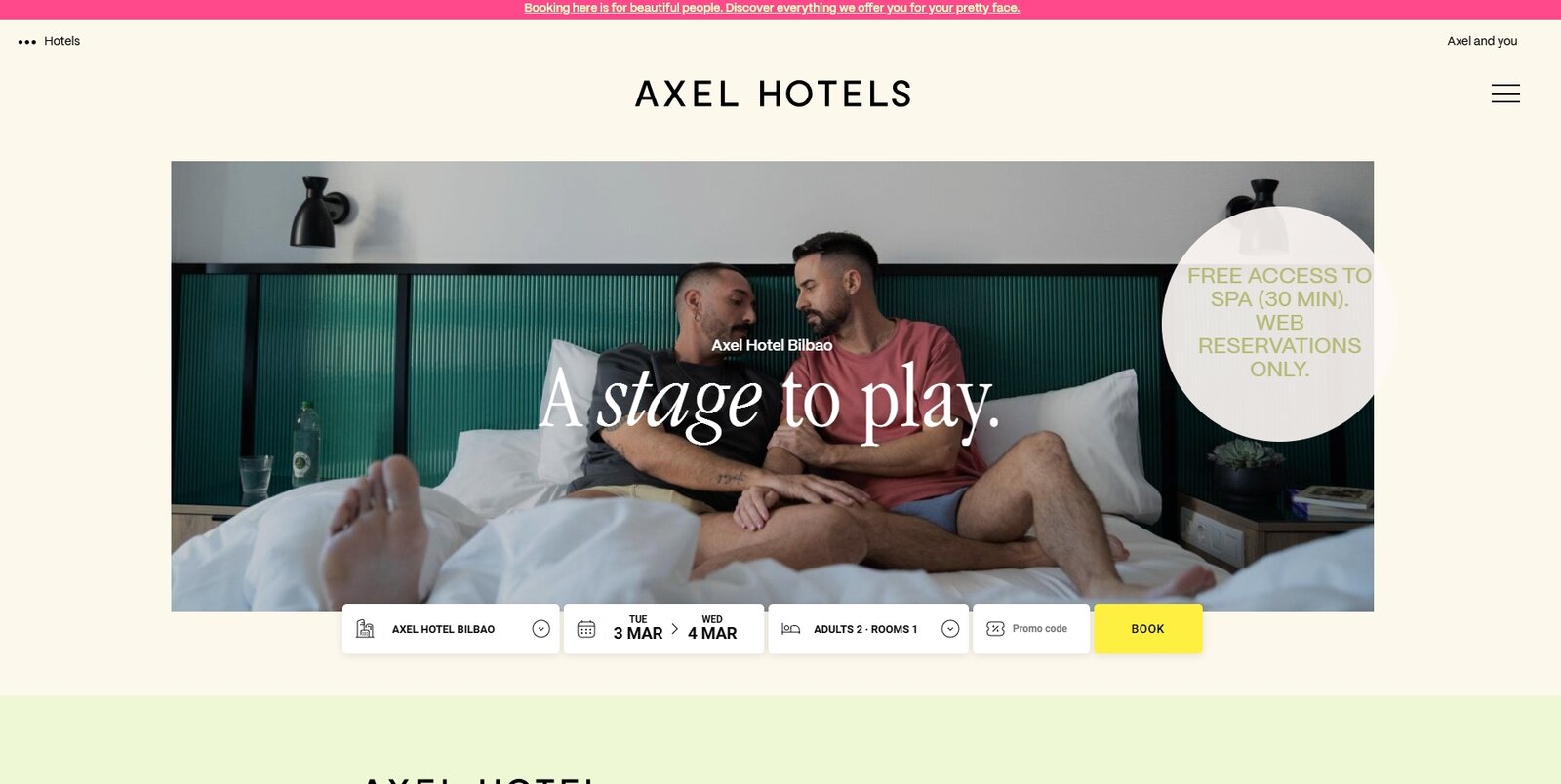
Axel Hotel Bilbao

Axel Hotel Bilbao

Hotels
Bilbao, Muelle de la Merced 3
Addicted Madrid

Addicted Madrid

Shops
Madrid, Hortaleza 26
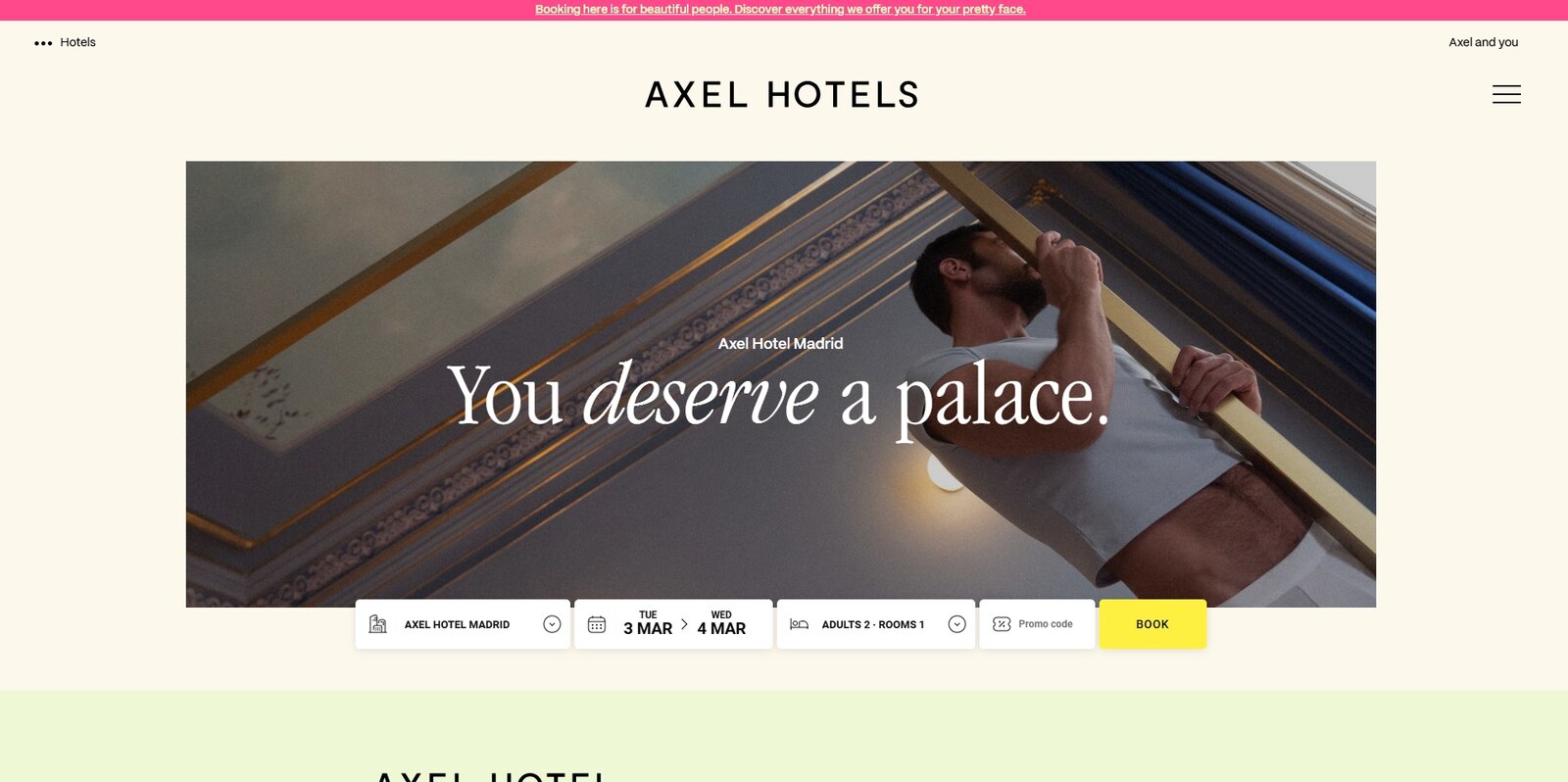
Axel Hotel Madrid

Axel Hotel Madrid

Hotels
Madrid, Calle de Atocha 49
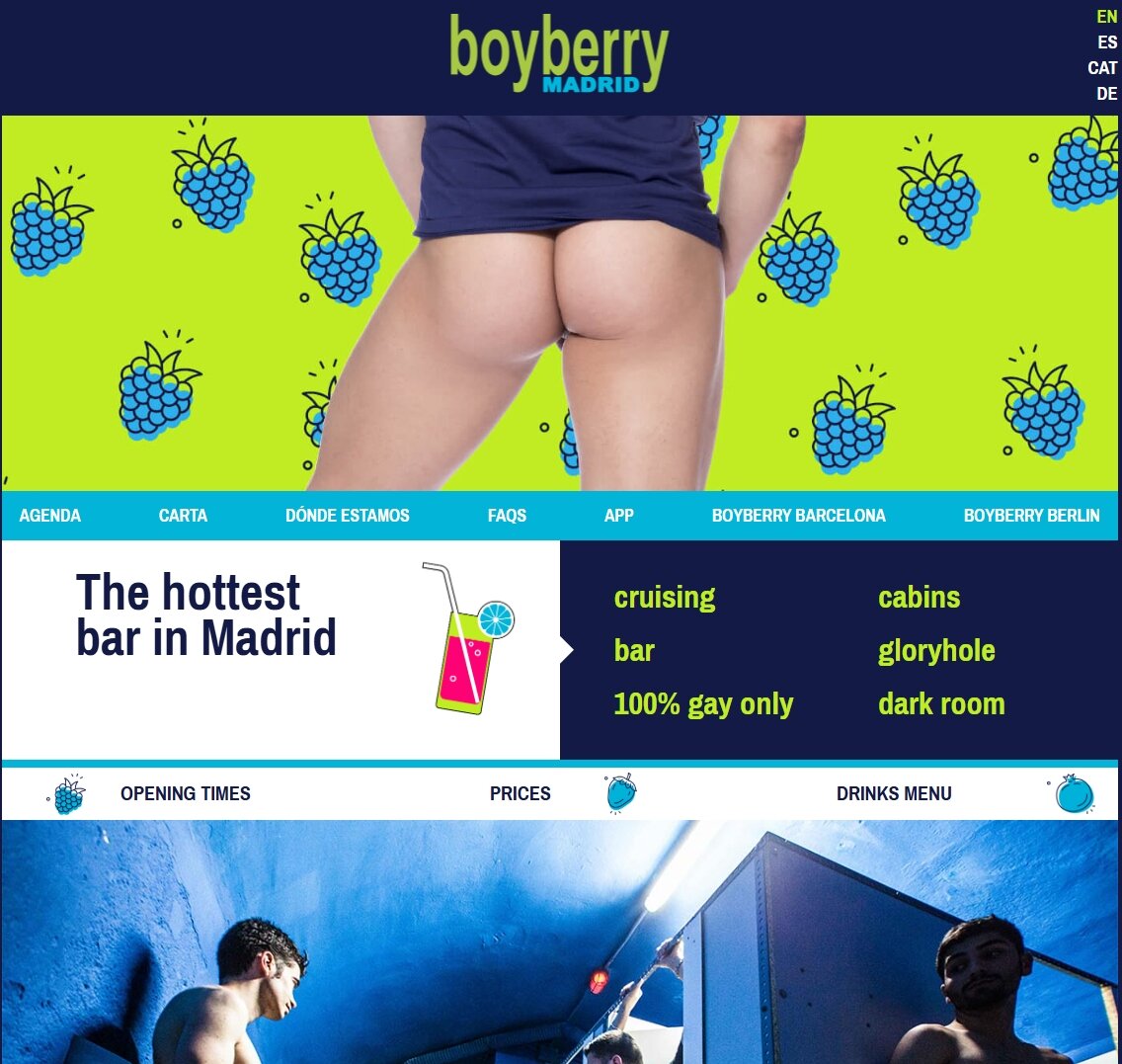
Boyberry Madrid

Boyberry Madrid

Cruising
Madrid, Calle de Valverde 3
Addicted Canarias

Addicted Canarias

Shops
Maspalomas, Av. Estados Unidos 54
Axel Beach Maspalomas

Axel Beach Maspalomas

Hotels
Maspalomas, Avenida Tirajana, 32
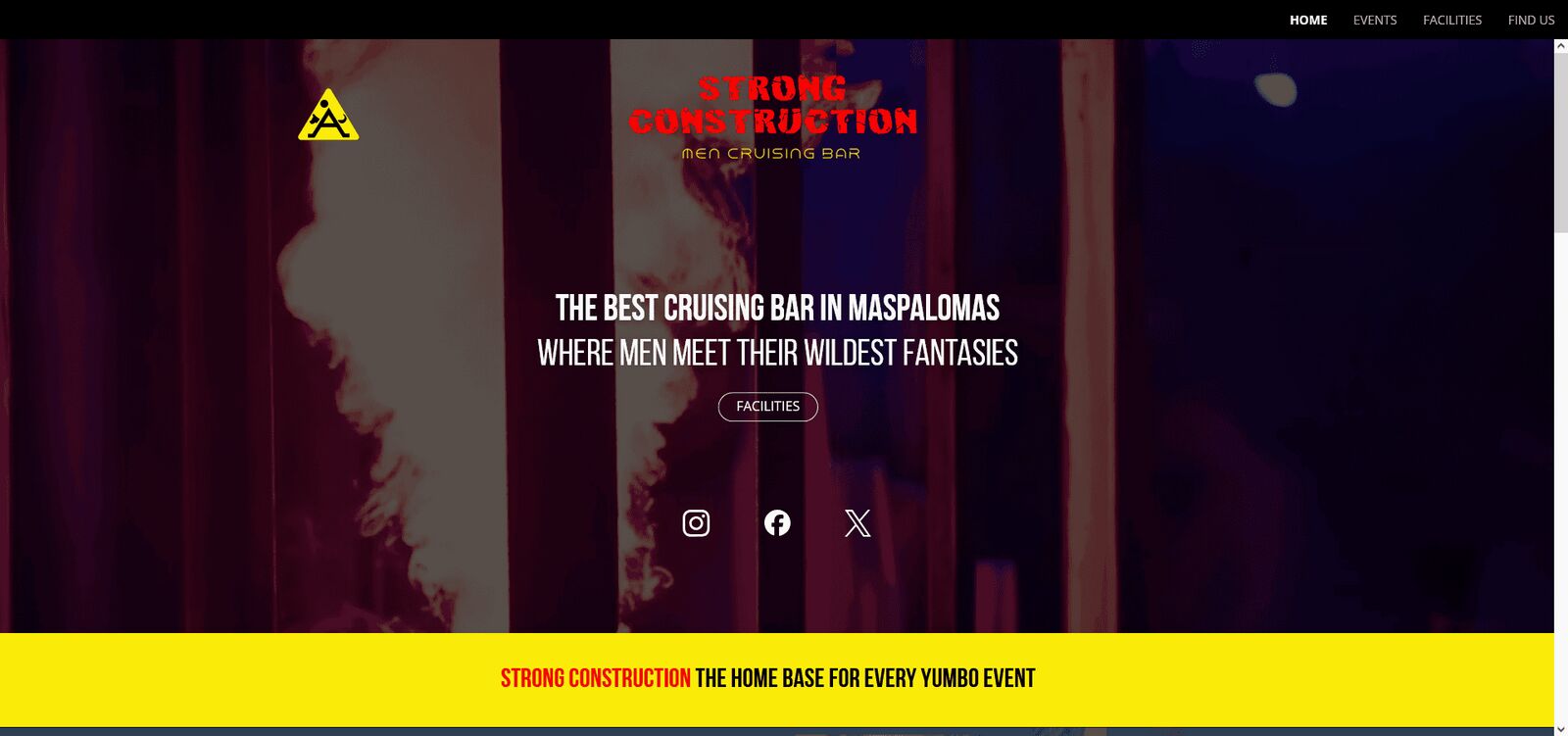
Strong Construction

Strong Construction

Cruising
Maspalomas, Av. Estados Unidos 54 10-14
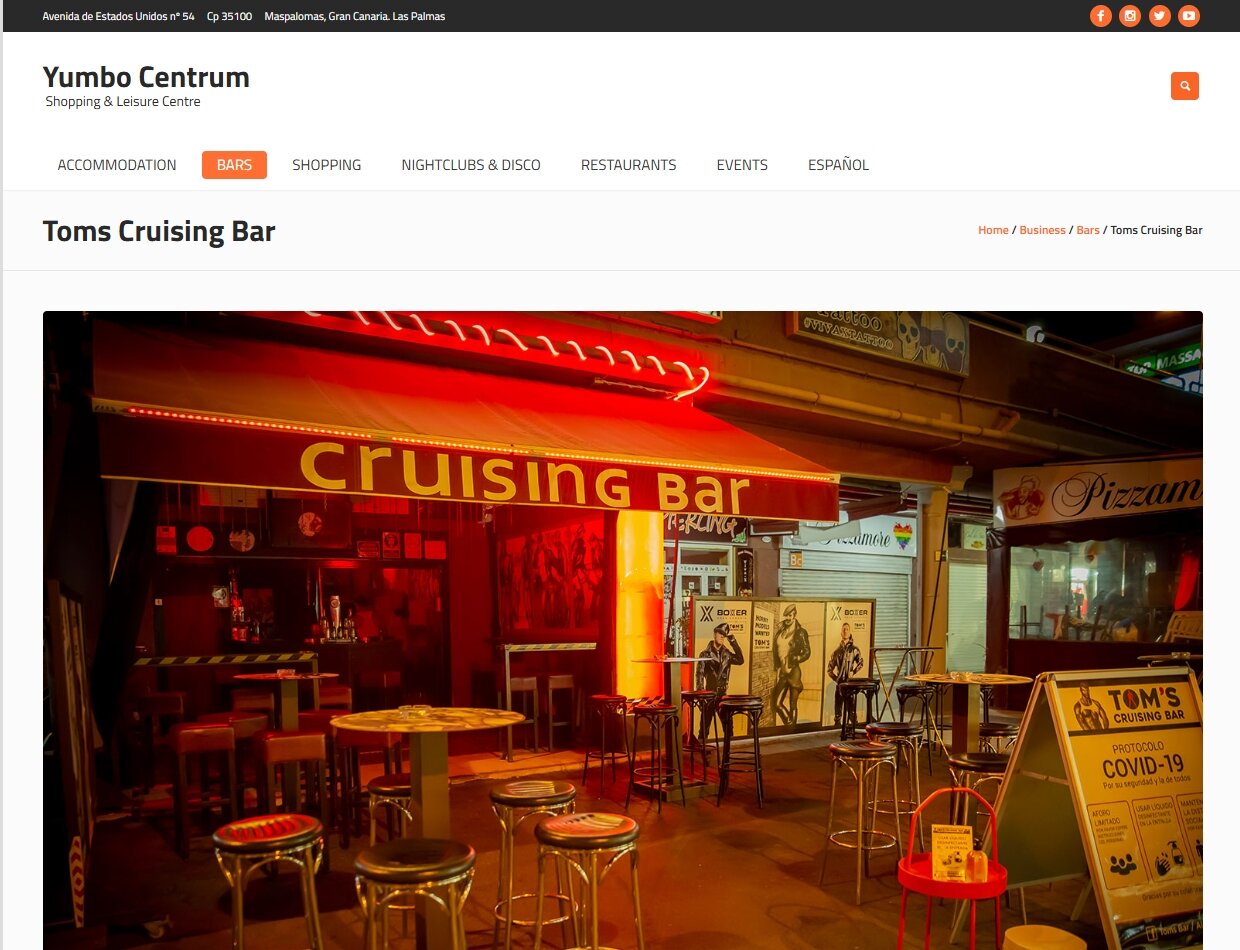
Tom's Cruising Bar

Tom's Cruising Bar

Darkrooms
Maspalomas, Avenida de Estados Unidos 54
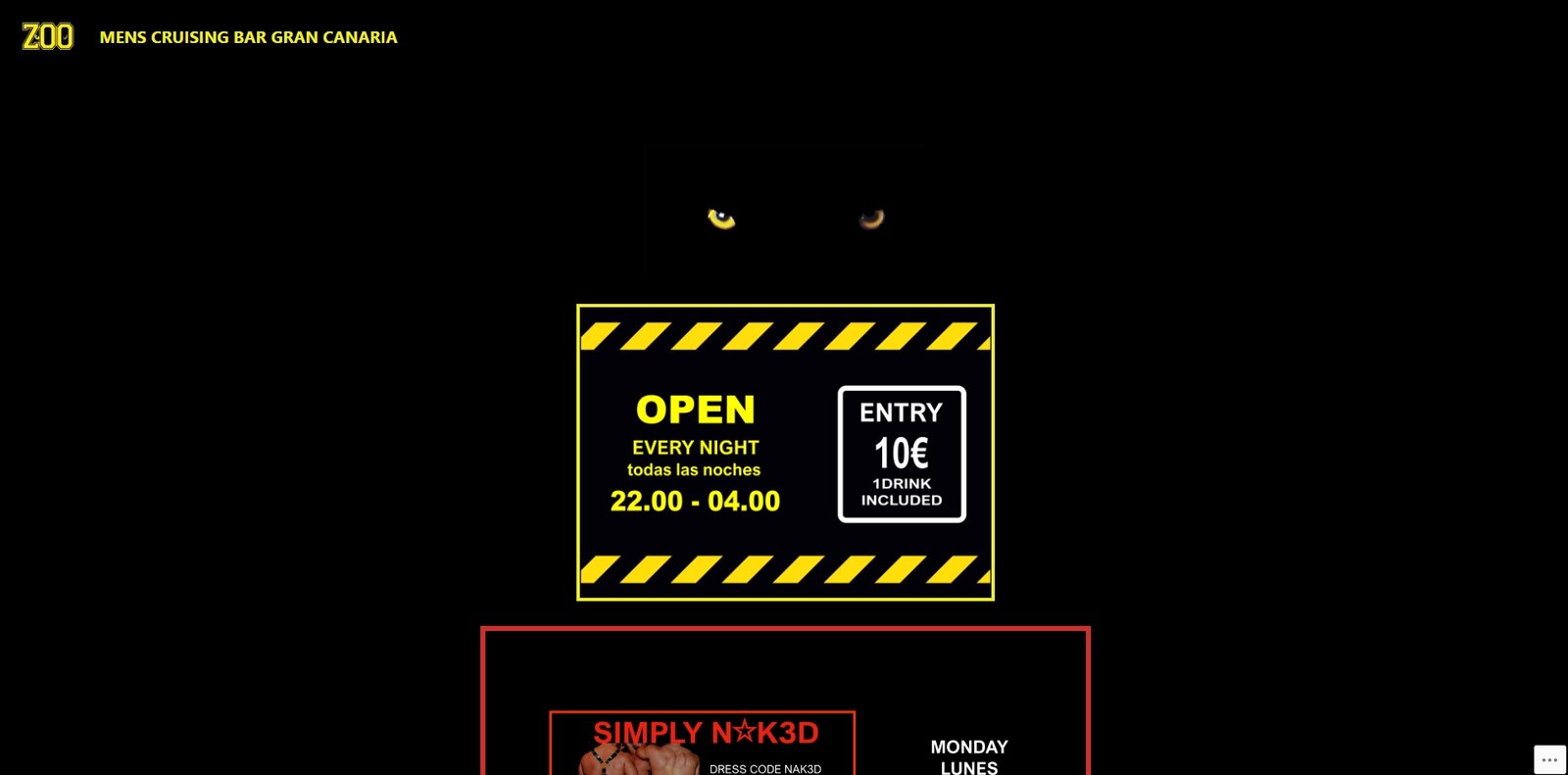
Zoo Men's Bar

Zoo Men's Bar

Darkrooms
Playa del Ingles, Av. de Tirajana, 17 Apartamentos. Barbados I
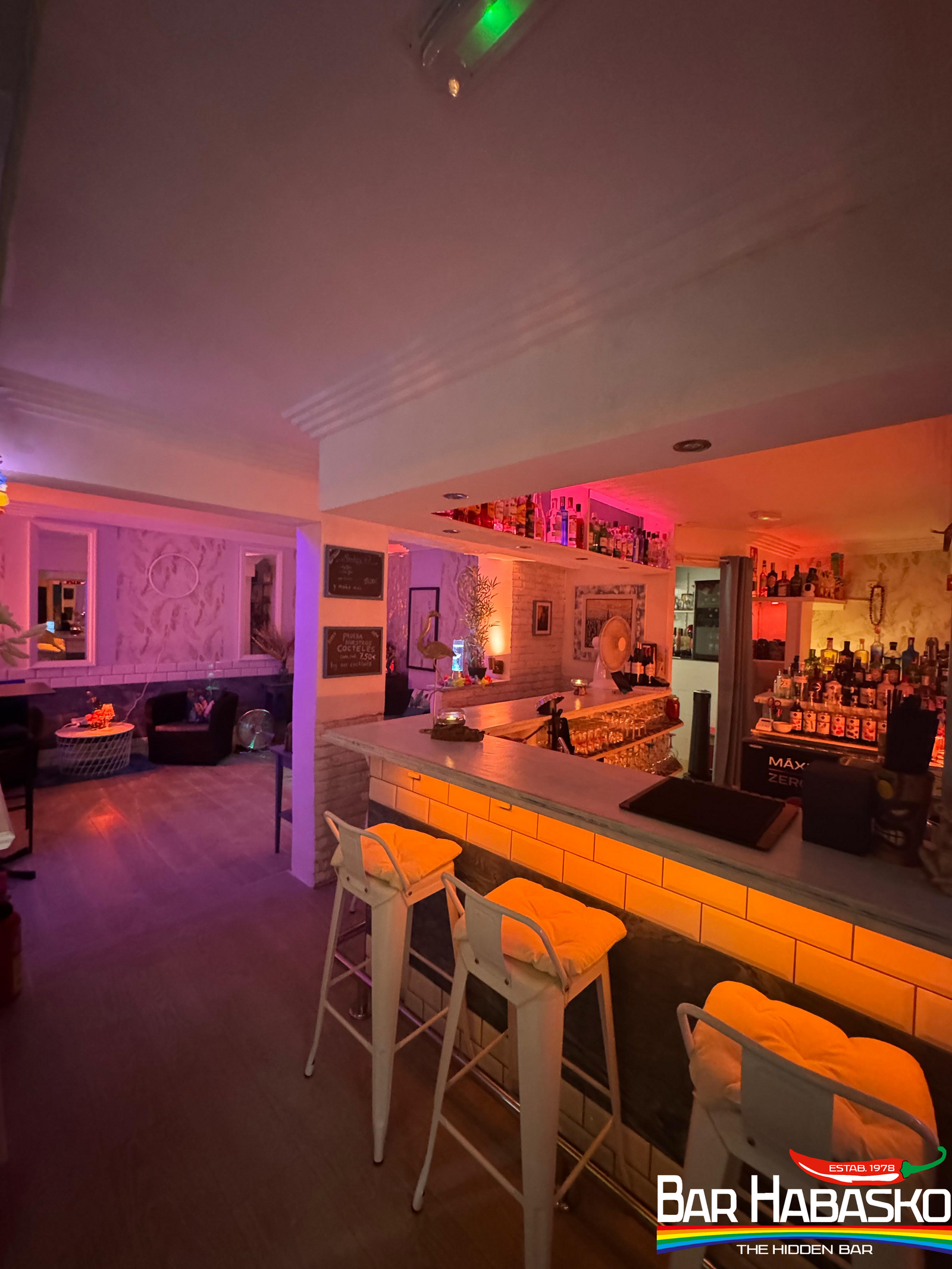
Bar Habasko - The Hidden Bar

Bar Habasko - The Hidden Bar

Bars
Puerto de la Cruz, Av. Familia Betancourt y Molina 15
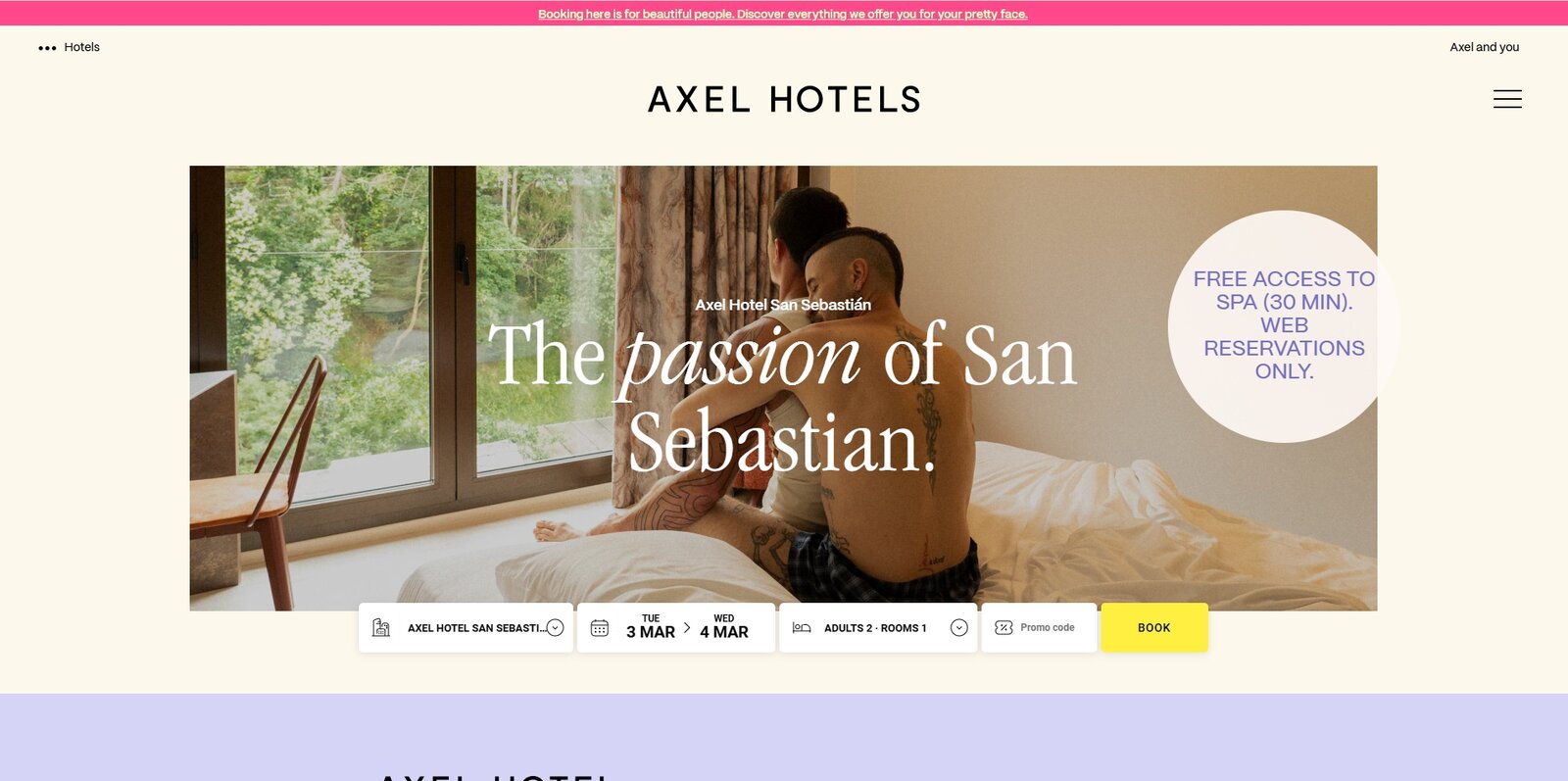
Axel Hotel San Sebastián

Axel Hotel San Sebastián

Hotels
San Sebastián, Amara 26
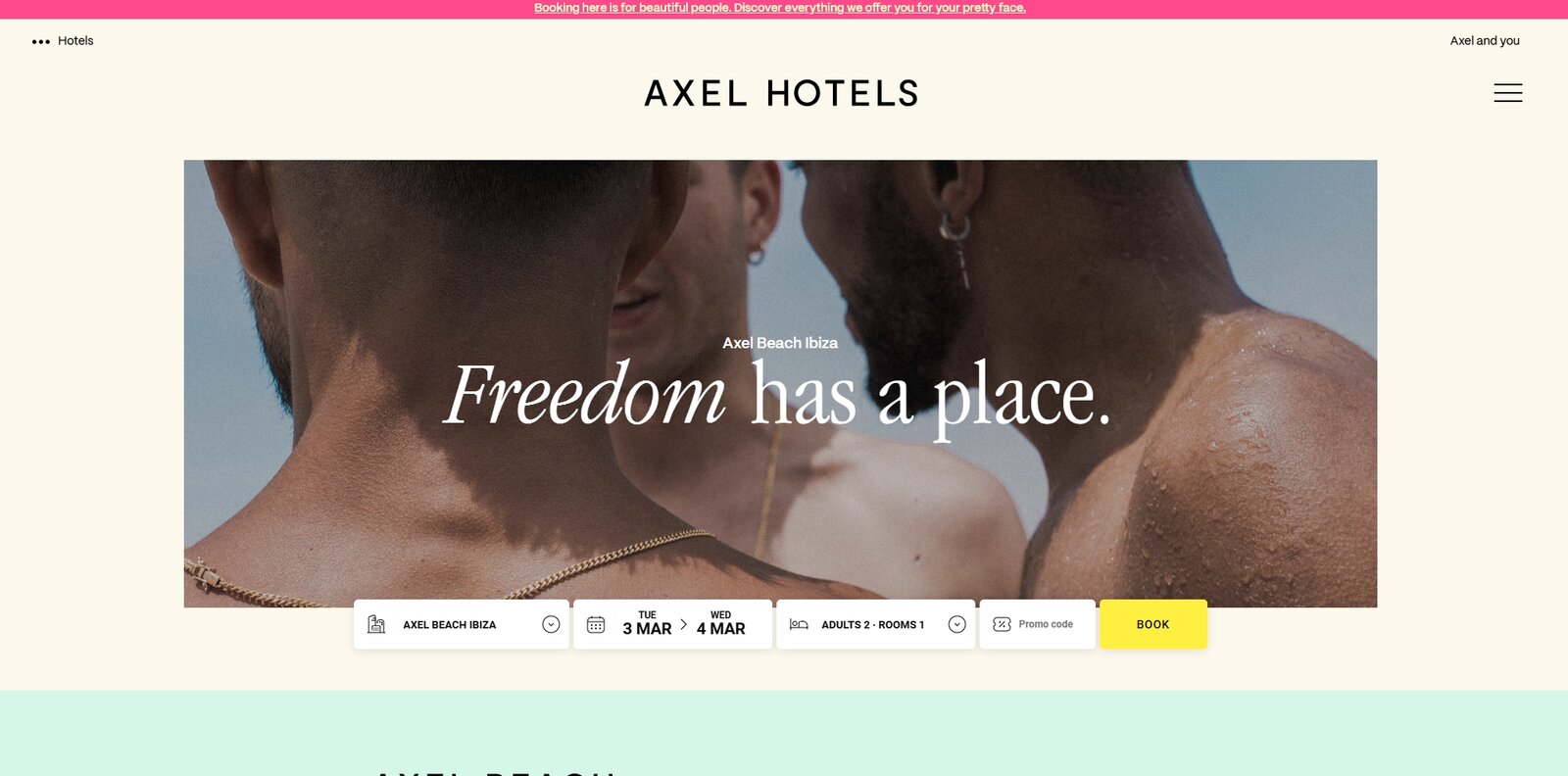
Axel Beach Ibiza

Axel Beach Ibiza

Hotels
Sant Josep de sa Talaia, Cala de Bou 46
Addicted Sitges

Addicted Sitges

Shops
Sitges, Sant Francesc 9
Boys Bar Sitges

Boys Bar Sitges

Bars
Sitges, Calle Marques de Montroig 1
Addicted Torremolinos

Addicted Torremolinos

Shops
Torremolinos, c/ Danza Invisible 8
Addicted Valencia

Addicted Valencia

Shops
Valencia, Sueca 43
Axel Hotel Valencia

Axel Hotel Valencia

Hotels
Valencia, Calle Roteros 25

LGBTQ Legal Status

The history of LGBT rights in Spain is a story of extreme polarity: from brutal persecution under the Franco dictatorship to becoming a global trailblazer for equality in the 21st century. In 2005, Spain surprised the world by becoming the third country to legalize same-sex marriage, defying the strong opposition of the Catholic Church.

Here is the historical overview of the legalization of homosexuality and gay rights in Spain.

Phase I: The Fluctuating Laws (1822–1939)
Spain's early legal history swung back and forth depending on whether liberals or conservatives were in power.

1822: The first Penal Code mentions "sodomy" as a crime.

1848: A new Penal Code is adopted, influenced by the French model. It decriminalizes homosexuality, removing sodomy as a specific crime.

1928: Under the dictatorship of Primo de Rivera, "habitual homosexual acts" are briefly re-criminalized.

1932 (Second Republic): A new, liberal Penal Code is enacted, decriminalizing homosexuality once again.

Phase II: The Francoist Repression (1939–1975)
The victory of General Francisco Franco in the Spanish Civil War marked the beginning of a dark era. The regime viewed homosexuality as a danger to the "National Catholic" identity of Spain.

1954: The regime amends the Vagrancy Act (Ley de Vagos y Maleantes) to explicitly include homosexuals.

Gay men were not technically "punished" for a crime but were considered "dangerous" and subject to "security measures."

They were sent to labor camps (such as the notorious Tefía colony in Fuerteventura) or prisons to be "rehabilitated" through hard labor.

1970: The law is replaced by the Law on Social Danger and Rehabilitation (Ley de Peligrosidad y Rehabilitación Social).

This law was even stricter. It aimed to "cure" homosexuality.

"Active" homosexuals were sent to Huelva prison, and "passive" ones to Badajoz prison. "Aversion therapy" (electric shocks) was sometimes used.

Phase III: La Transición & The Cultural Boom (1975–2004)
Following Franco's death in 1975, Spain underwent a rapid transition to democracy. A cultural explosion known as "La Movida Madrileña" (led by figures like Pedro Almodóvar) openly celebrated gay culture even before the laws fully caught up.

1979: Decriminalization.

The term "homosexual acts" is removed from the Law on Social Danger.

The last prisoners convicted for homosexuality are released.

1995: A new Penal Code is enacted. It explicitly bans discrimination based on sexual orientation and introduces "homophobic motivation" as an aggravating factor for crimes.

1998–2000: Several autonomous regions (like Catalonia and Aragon) pass their own Civil Union laws, granting rights at a regional level, though a national law remained absent.

Phase IV: The Marriage Revolution (2004–2005)
Under the leadership of Socialist Prime Minister José Luis Rodríguez Zapatero, Spain moved from having no national recognition to full marriage equality in a single leap.

2005 (July 3): Same-Sex Marriage Legalized.

Despite massive street protests organized by the Catholic Church and the conservative Popular Party, the law passes.

Spain becomes the 3rd country in the world (after the Netherlands and Belgium) to legalize same-sex marriage.

Adoption: The law granted full joint adoption rights immediately.

"Matrimonio": The law famously did not create a separate institution but simply added a sentence to the Civil Code: "Marriage will have the same requirements and results when the two people entering into the contract are of the same or different sex."

Phase V: The "Ley Trans" & Self-ID (2007–Present)
After marriage was settled, the focus shifted to transgender rights, culminating in one of Europe's most progressive laws in 2023.

2007: The "Gender Identity Law" allows transgender people to change their legal gender without surgery, but it still required a medical diagnosis of "gender dysphoria" and two years of hormone treatment.

2023 (February): The "Ley Trans" (Trans Law).

Officially titled the Law for the Real and Effective Equality of Trans Persons.

Self-ID: It removes the requirement for medical diagnosis or hormone therapy. Any citizen over 16 can change their legal gender by simple declaration at the registry office.

Ban on Conversion Therapy: The law implements a strict nationwide ban on conversion therapies, with fines of up to €150,000.


Historical Timeline

1954 : "Vagrants and Thugs Act" amended to imprison gays (Franco era).

1970 : "Social Danger Act" enacted (Camps and "cures" for homosexuals).
1979 : Decriminalization of homosexuality (Post-Franco reform).
1995 : Penal Code bans discrimination based on sexual orientation.
2005 : Same-sex Marriage (and full adoption) legalized.
2007 : First Gender Identity Law (Medical diagnosis required).
2023 : "Ley Trans" passed (Self-ID introduced; Diagnosis removed).
2023 : Conversion therapy banned nationwide.

Travel Advice

Spain is extremely welcoming to LGBTQ travelers. Madrid Pride (MADO) is one of Europe's largest Pride celebrations. Sitges, near Barcelona, is a popular gay beach destination. Public displays of affection are widely accepted, especially in urban areas. The Chueca neighborhood in Madrid is the heart of the city's gay scene.

Local LGBTQ Resources

FELGTBI+ (Federación Estatal de Lesbianas, Gais, Trans, Bisexuales, Intersexuales y más)
Website: www.felgtbi.org

COGAM (Colectivo LGTB+ de Madrid)
Website: www.cogam.es

Casal Lambda (Barcelona)
Website: www.lambda.cat

Additional Information

Madrid hosts WorldPride events and has one of the world's most vibrant gay scenes. Sitges hosts an annual gay film festival and carnival. Spain's constitution explicitly protects against discrimination based on sexual orientation.