

There is a difference between having somewhere to sleep and finding a place that becomes part of the journey. A room can provide a comfortable bed, a bathroom and a convenient base for exploring. But the right place to stay can also shape the rhythm of a trip: how slowly the morning begins, whether a conversation happens naturally, and how welcome you feel when you return after a day out.
Small guesthouses offer a particular kind of hospitality. Their scale, layout and shared spaces can make a stay feel more personal without requiring guests to give up their privacy. The experience is not automatically better than a large hotel; it is simply different. For travellers who value atmosphere as much as location, that difference can become one of the most memorable parts of being away.
A Stay Can Be More Than a Place to Sleep
When choosing accommodation, it is easy to compare the practical details first: price, room size, location, facilities and reviews. Those things matter. Yet two properties with similar amenities can feel completely different once you arrive. One may be somewhere you simply return to at night; another may invite you to linger over breakfast, read beside the pool or enjoy a quiet hour outdoors before heading out.
That feeling often comes from the way a place is considered as a whole. The room is important, but so are the transitions between private and shared areas, the light in the morning, the availability of somewhere comfortable to sit, and the sense that the property has a character of its own. Accommodation becomes part of the destination rather than a neutral backdrop.
For a short break, this can change the pace of a trip. Instead of treating every hour as an opportunity to see one more sight, guests may feel comfortable leaving space in the day simply to enjoy where they are.
What a Smaller Scale Makes Possible
A small guesthouse has fewer rooms and, often, a more intimate layout than a large hotel. This can make the experience feel easier to navigate. Guests may quickly understand where to have breakfast, where to find a quiet corner and which outdoor areas catch the afternoon sun. Familiarity develops naturally, without a formal programme or an expectation to participate.
Scale can also influence the way hospitality is delivered. In a smaller property, hosts may have more opportunity to notice individual preferences, offer practical local advice or make a recommendation that fits the person asking. The value is not in constant attention. It is in being available when needed while allowing guests to get on with their own plans.
Of course, small does not always mean personal, and large does not always mean impersonal. The important question is whether the size and style of a property suit the kind of stay you want. Some travellers appreciate the anonymity and extensive facilities of a larger hotel; others prefer a setting that feels more individual and unhurried.
Shared Spaces, Without the Pressure to Socialise
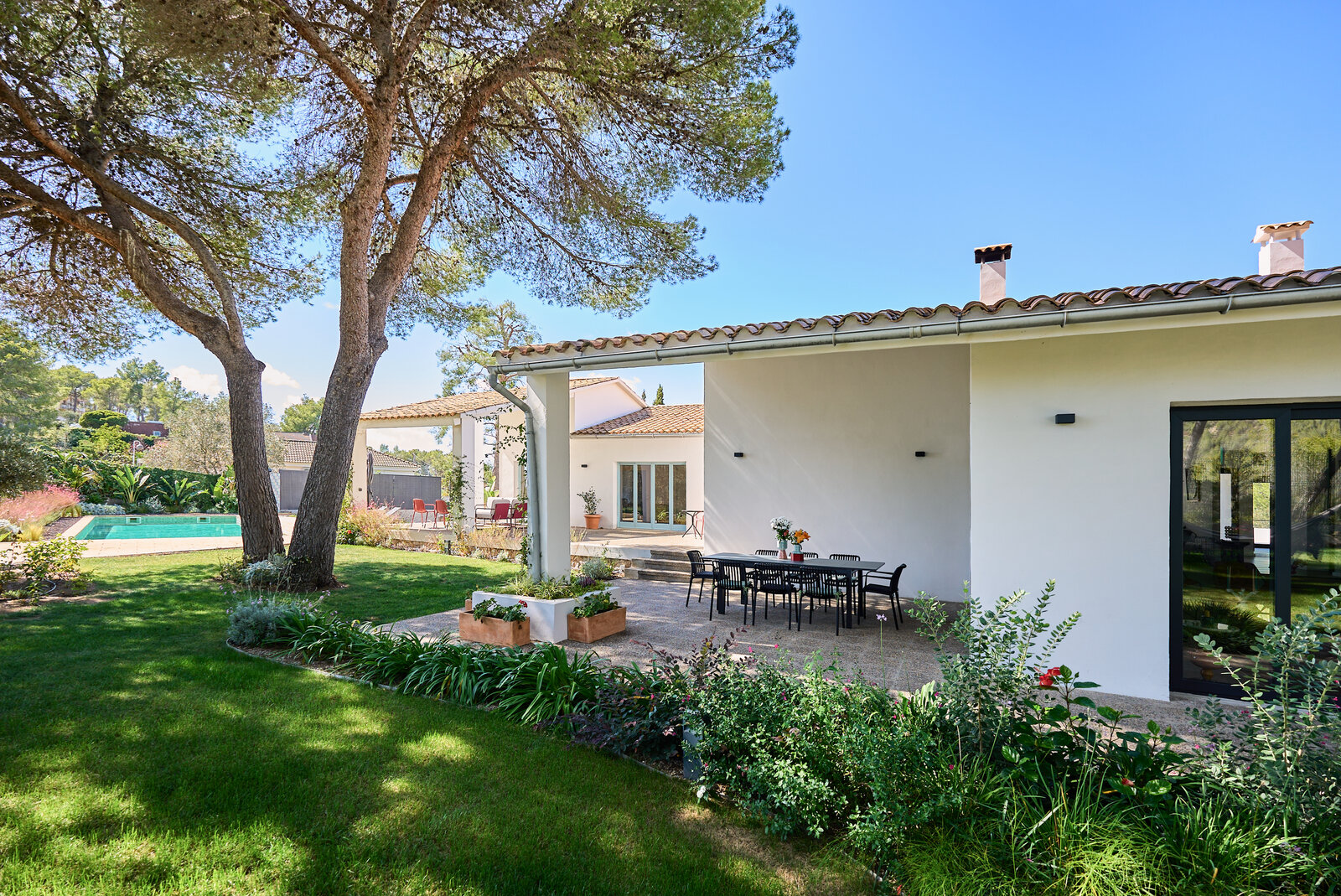
The design of communal areas can make a meaningful difference. A terrace with comfortable seating, a garden with places to sit apart, or a pool surrounded by room to relax gives guests options beyond their own room. These spaces can make it easy to exchange a few words with another traveller—or to enjoy the outdoors without speaking to anyone at all.
Good shared spaces offer choice. Seating arranged in small groups can support conversation, while quieter corners protect the possibility of solitude. A communal kitchen or lounge may give a property a relaxed, residential feel, while private bathrooms and individual rooms preserve personal space. When the balance is right, connection is available but never compulsory.
This is one of the understated pleasures of a small guesthouse: the freedom to follow your own mood. You can join a conversation over coffee, spend an afternoon reading by the pool, or head out for the day and return without feeling that you have missed an organised experience.
Privacy and Autonomy Are Part of the Welcome
A personal atmosphere should not mean that guests feel watched or expected to be sociable. The best small-scale hospitality recognises that people travel for different reasons and have different ideas of a good holiday. Some want conversation and recommendations; others want independence, quiet and the freedom to make their own schedule.
Clear information helps create that freedom. Guests should know what facilities are shared, what house rules apply and what kind of atmosphere to expect before they arrive. When practical details are communicated honestly, people can choose a property that fits their needs and settle in with fewer surprises.
Autonomy also comes from having spaces that serve different purposes. A private suite offers a retreat; a garden or pool offers a change of scene; a shared lounge creates the possibility of company. Rather than forcing one type of experience, a thoughtful property lets guests move between these options at their own pace.
A More Personal Stay Near Sitges, Catalonia
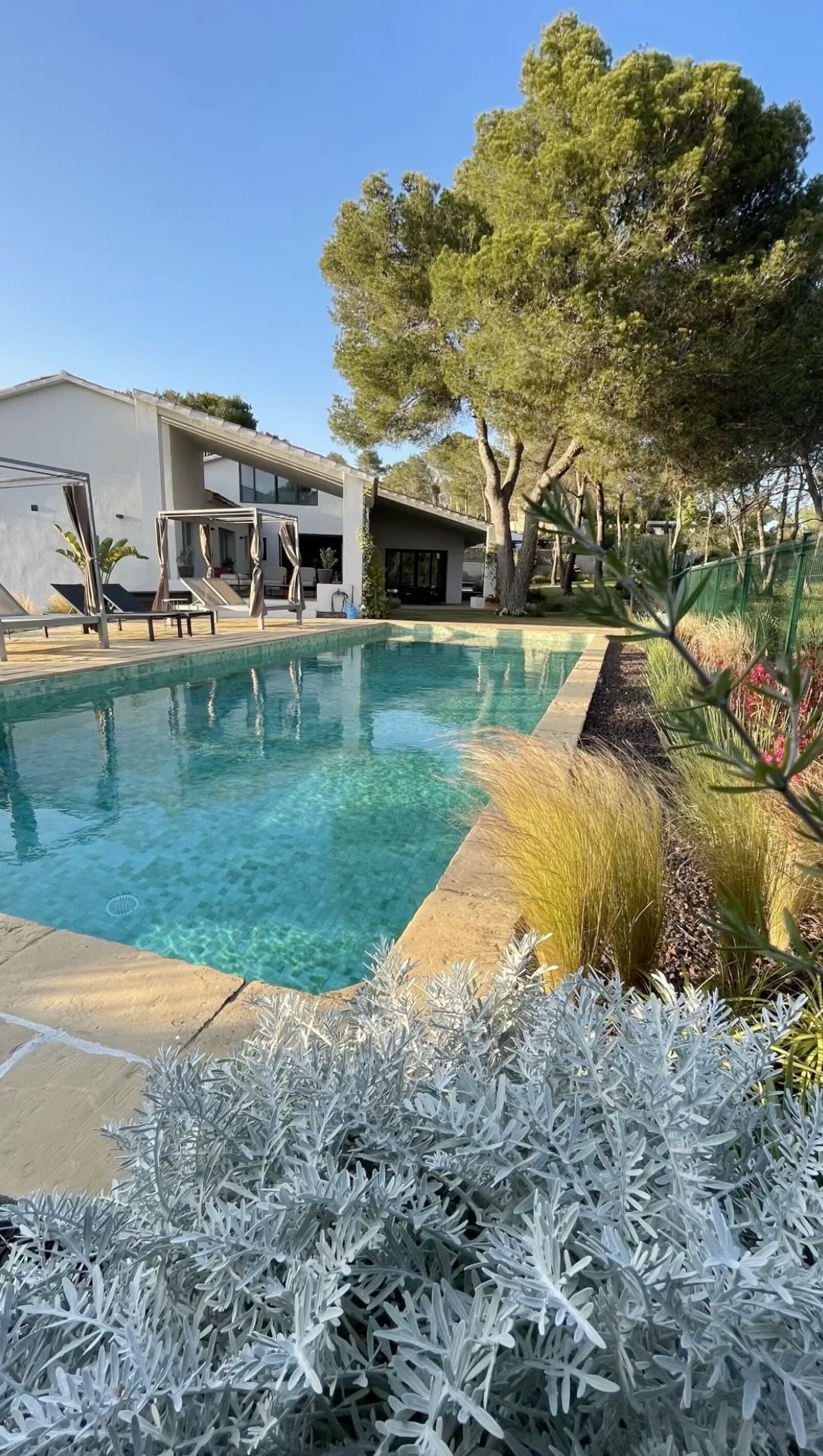
In the Garraf hills near Sitges, Casa Brisa is a gay men-only boutique guesthouse built around this idea of small-scale hospitality. Its size is central to the experience: the property has four suites, a saltwater swimming pool. Rather than functioning simply as a place to sleep between outings, its rooms and shared spaces give guests different ways to enjoy time at the property.
The setting offers a quieter alternative to staying in the centre of Sitges, while keeping the town’s beaches, restaurants and LGBTQ+ scene within a short drive. Guests can spend the day exploring and return to a more tranquil environment, or choose to slow down and make the pool and garden part of the holiday itself.
The pool and sunbathing areas are clothing-optional, while swimwear is welcome and there is no expectation that guests should be nude. Shared indoor spaces remain clothed. These details help communicate the atmosphere clearly, allowing each guest to decide what feels comfortable for them.
Casa Brisa is one example of how the identity of a small guesthouse can emerge from more than its room count. The combination of private suites, outdoor space and a defined guest community creates a particular setting—not a promise that every visitor will want the same thing, but an environment in which guests can choose how to spend their time. Learn more about the property on the Casa Brisa website.
How to Choose a Guesthouse That Suits You
Will a small guesthouse suit every traveller?
Not necessarily. Travellers who want extensive on-site facilities, round-the-clock services or a highly anonymous stay may prefer a larger hotel. A guesthouse may be a better fit for people who value atmosphere, a more personal scale and spaces that make it pleasant to spend time at the property.
Does staying somewhere small mean I have to socialise?
No. Shared spaces make interaction possible, but a well-considered guesthouse should leave room for privacy and independent plans. Check the property description and reviews to understand whether the atmosphere is lively, quiet or somewhere in between.
What should I look for beyond the room itself?
Look at the layout and the facilities you are likely to use: outdoor seating, gardens, a pool, a lounge or a communal kitchen. Read how the property describes its atmosphere, check what is shared, and consider how easy it is to reach the places you want to visit. The right choice depends on how you want your days to feel, not only on where you will sleep.
How can I tell whether a guesthouse offers the right balance of privacy and community?
Look for clear descriptions of communal areas, room facilities and house rules. Recent reviews can also help you understand how guests use the space. If something matters to your comfort, ask before booking; a straightforward answer is a useful sign that expectations are being managed well.
Feeling at Home, in Your Own Way
The appeal of a small guesthouse is not simply that it has fewer rooms. It is the possibility of a stay shaped by thoughtful spaces, human-scale hospitality and the freedom to decide how much of the experience you want to share. A private room can offer rest; a terrace or garden can invite you outside; a communal area can make conversation possible without making it obligatory.
When these elements work together, accommodation becomes part of the journey. For travellers exploring Sitges and the surrounding countryside, Casa Brisa offers one example of a small, clearly defined guesthouse where suites, pool and gardens contribute to the character of the stay. Ultimately, feeling at home away from home does not mean every place should feel the same. It means finding a place where you can settle in, feel comfortable and enjoy the trip in your own way.
